The Hidden Cost of “Avoidable” Hospital Admissions in UK Care Homes
Every year, tens of thousands of care home residents are rushed to A&E for conditions that could have been caught days earlier. The financial burden on the NHS is staggering—but the human cost is even greater.
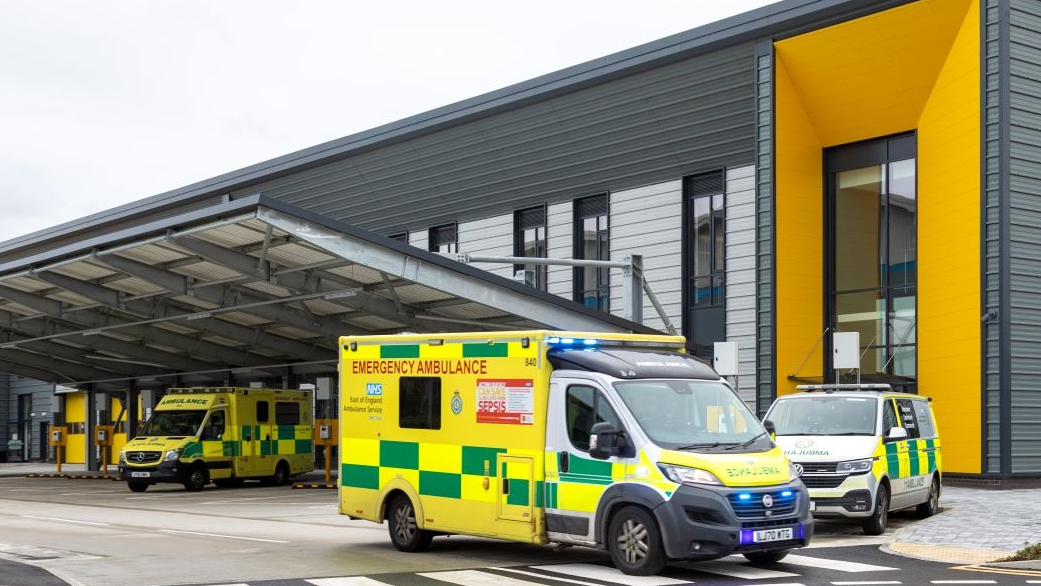
The NHS is under immense pressure. Winter crises, staff shortages, and overcrowded A&E departments dominate headlines year after year. But there's a quieter crisis unfolding that rarely makes the news: the steady stream of preventable hospital admissions from UK care homes.
The Numbers Tell a Sobering Story
Research consistently shows that conditions like urinary tract infections, respiratory issues, and dehydration—all highly treatable when caught early—account for a significant portion of emergency hospital transfers from care homes.
Why Do These Admissions Happen?
The answer isn't that care staff aren't trying. It's that they're working with outdated tools and impossible constraints:
Intermittent spot-checks miss deterioration
Vitals taken every 4-6 hours create blind spots where decline goes unnoticed.
Atypical symptoms in the elderly
Older adults often don't present classic symptoms. A UTI might manifest as confusion, not fever.
Staff are stretched thin
With high resident-to-staff ratios, subtle changes easily slip through the cracks.
Night-time is a black box
Reduced staffing at night means even less visibility into resident health.
Beyond the Numbers: The Human Cost
For every “avoidable admission” statistic, there's a real person: a grandmother waiting in A&E for hours, disoriented and frightened. A family receiving a late-night call that their father has been rushed to hospital. A care worker feeling helpless because they couldn't catch the signs in time.
Hospital transfers are traumatic for elderly residents. Studies show that even brief hospital stays can trigger rapid cognitive decline, increase fall risk, and reduce overall life expectancy. Many residents never fully recover from the disruption.
A Better Way Forward
The technology to prevent many of these admissions already exists. Continuous health monitoring can detect the subtle physiological shifts that precede a medical crisis—often 24-48 hours before symptoms become obvious.
By catching deterioration early, care homes can intervene with GP consultations, medication adjustments, or enhanced monitoring—instead of emergency hospital transfers.
This isn't about replacing the expertise of care staff. It's about giving them the visibility they need to do what they do best: provide compassionate, proactive care.
Ready to Reduce Avoidable Admissions?
Learn how PenielSense helps care homes catch health issues before they become emergencies.